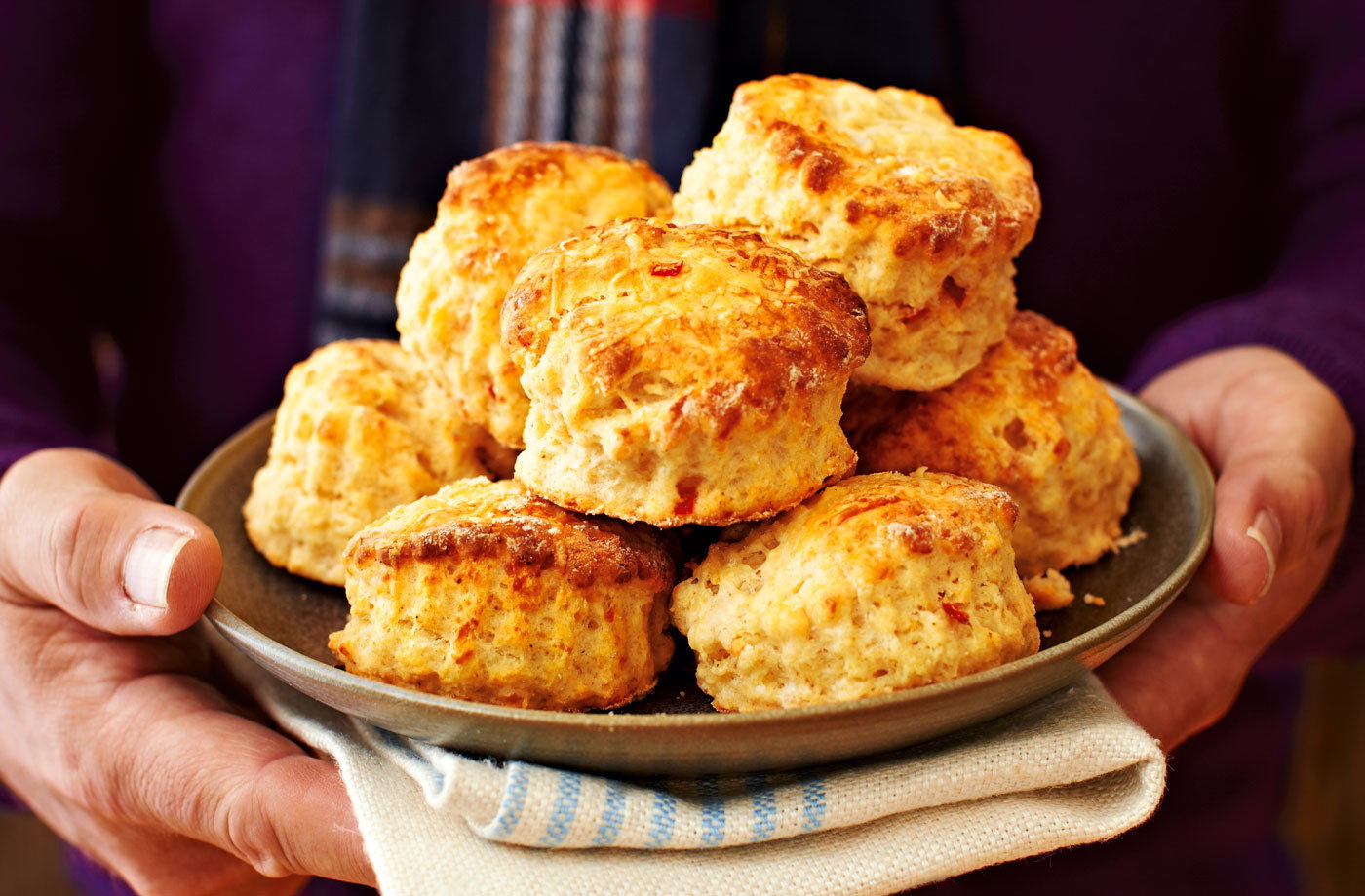
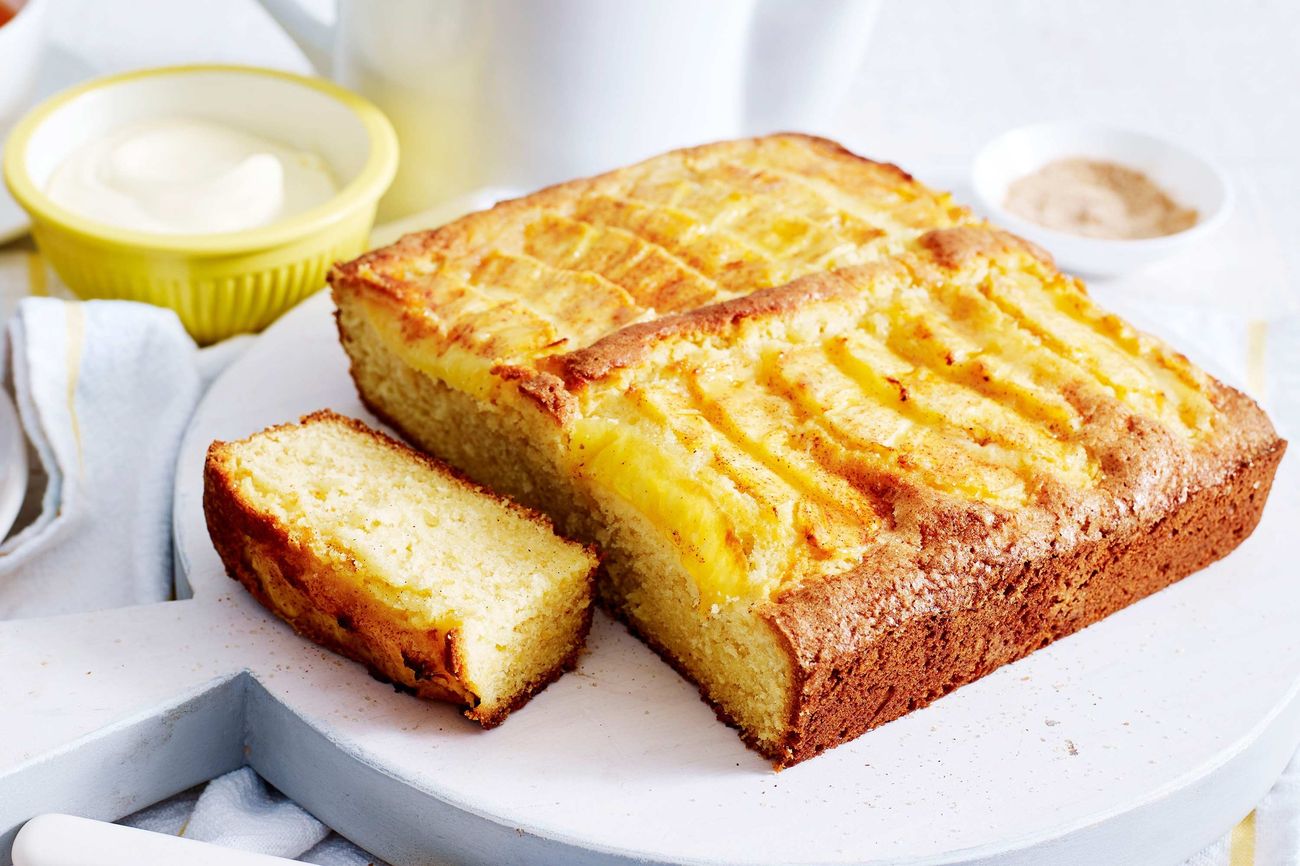
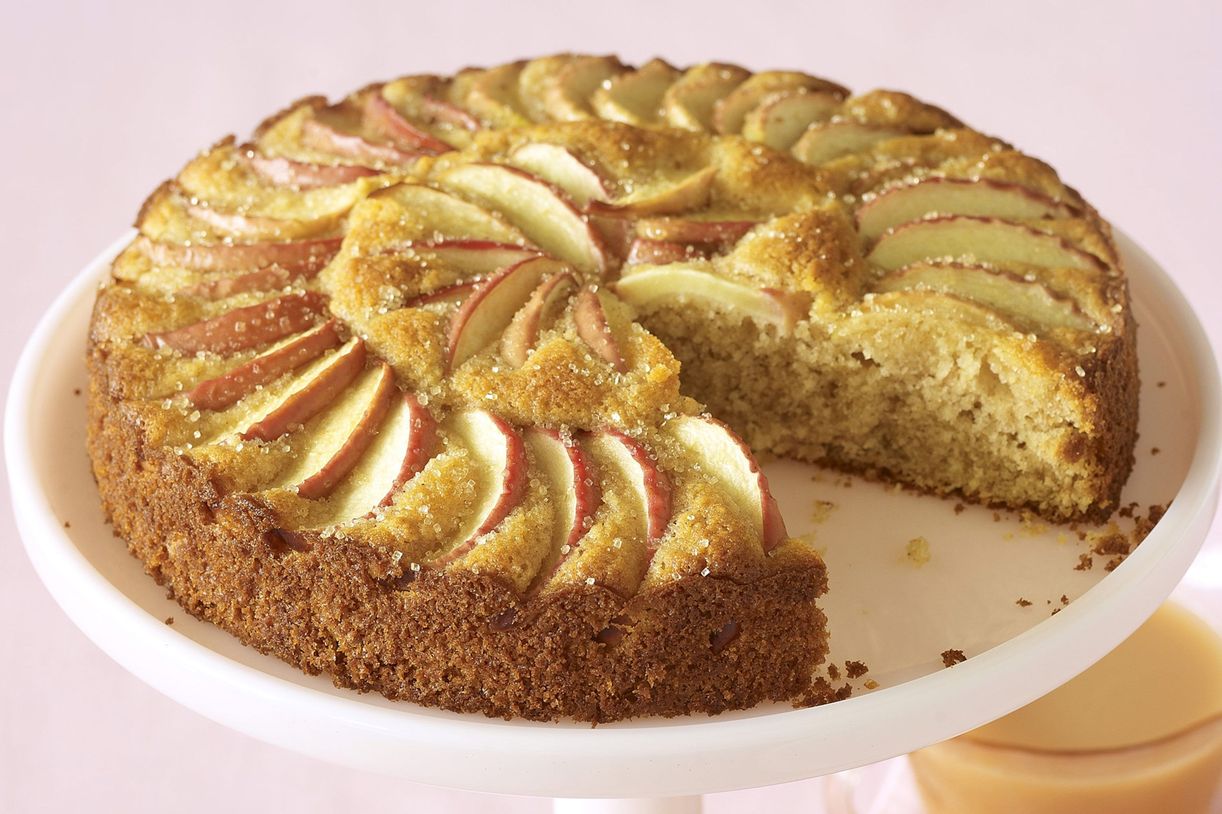
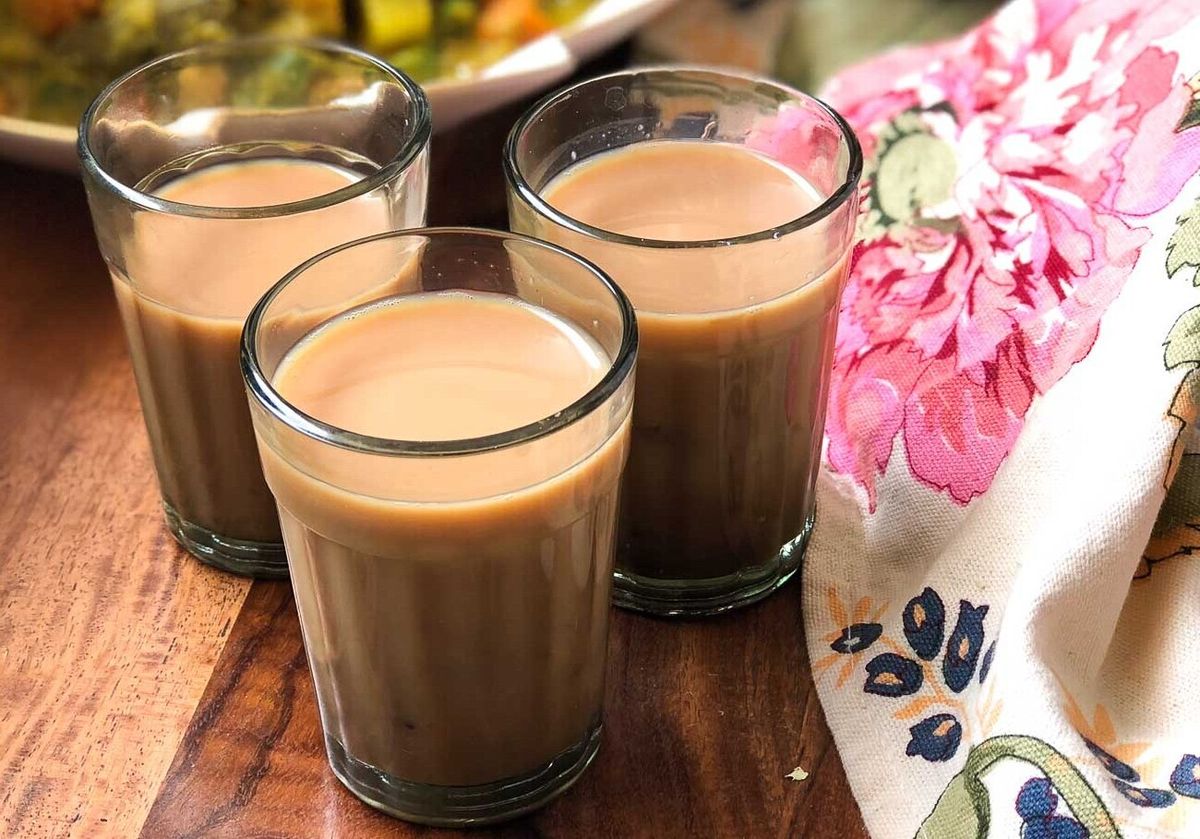
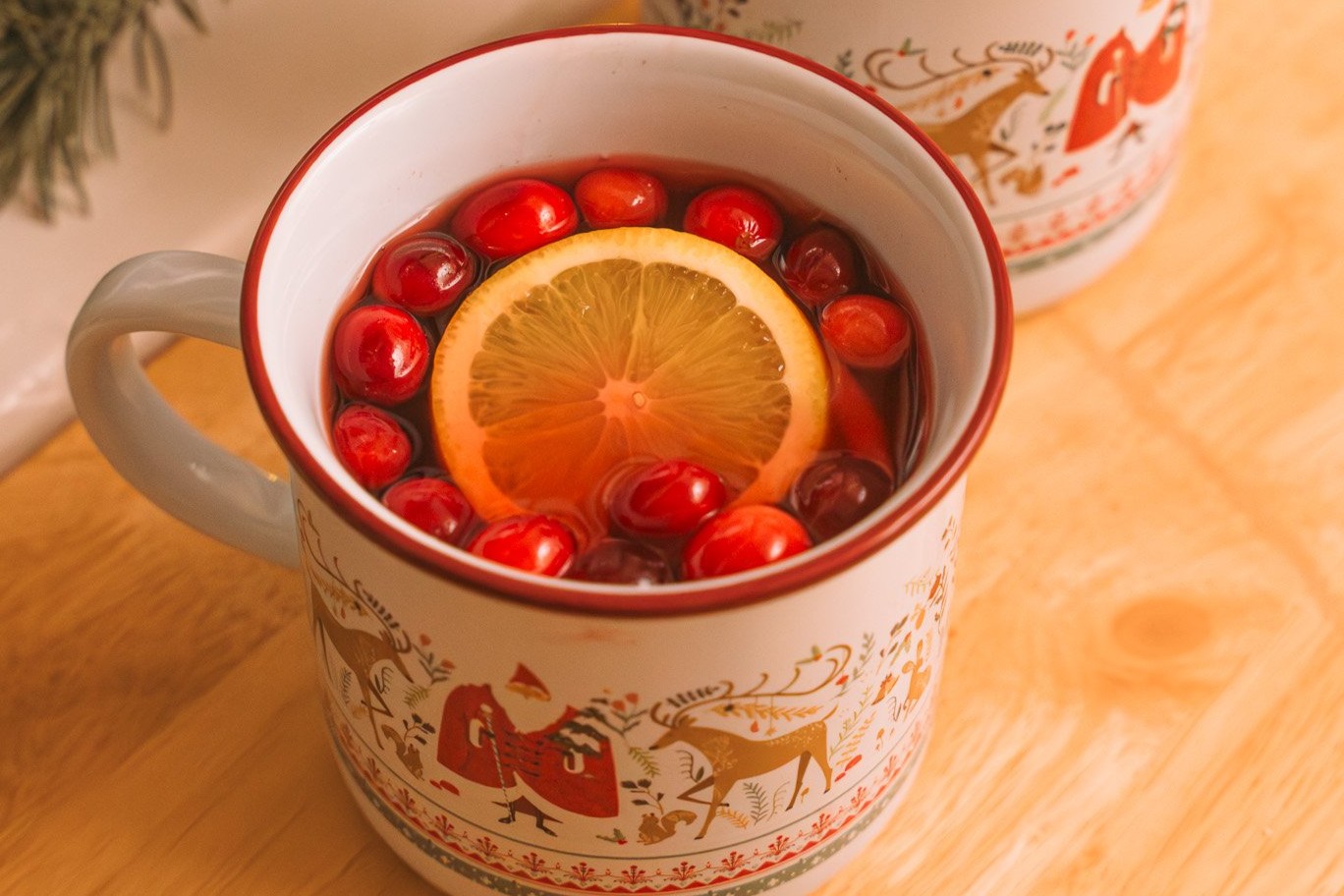
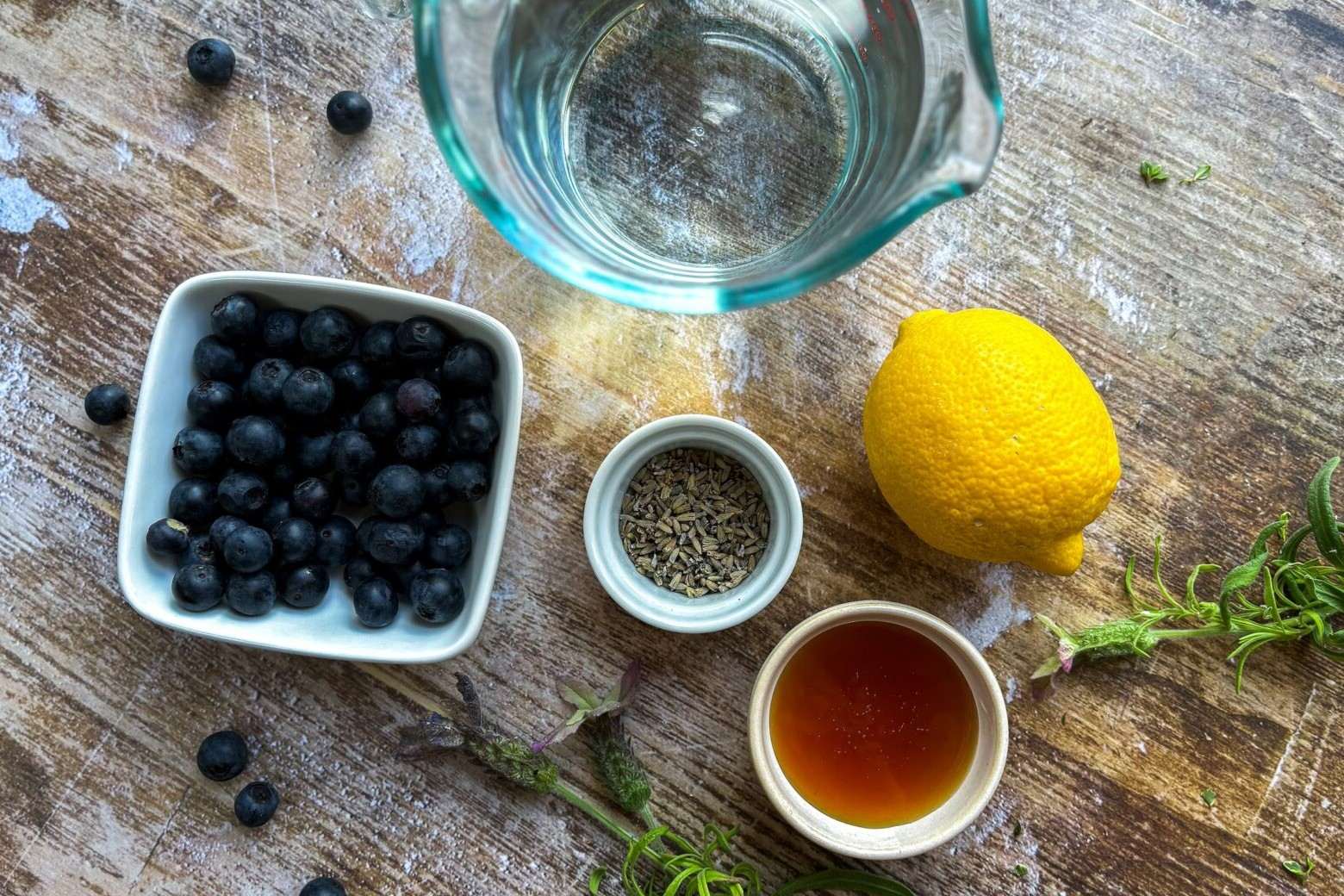
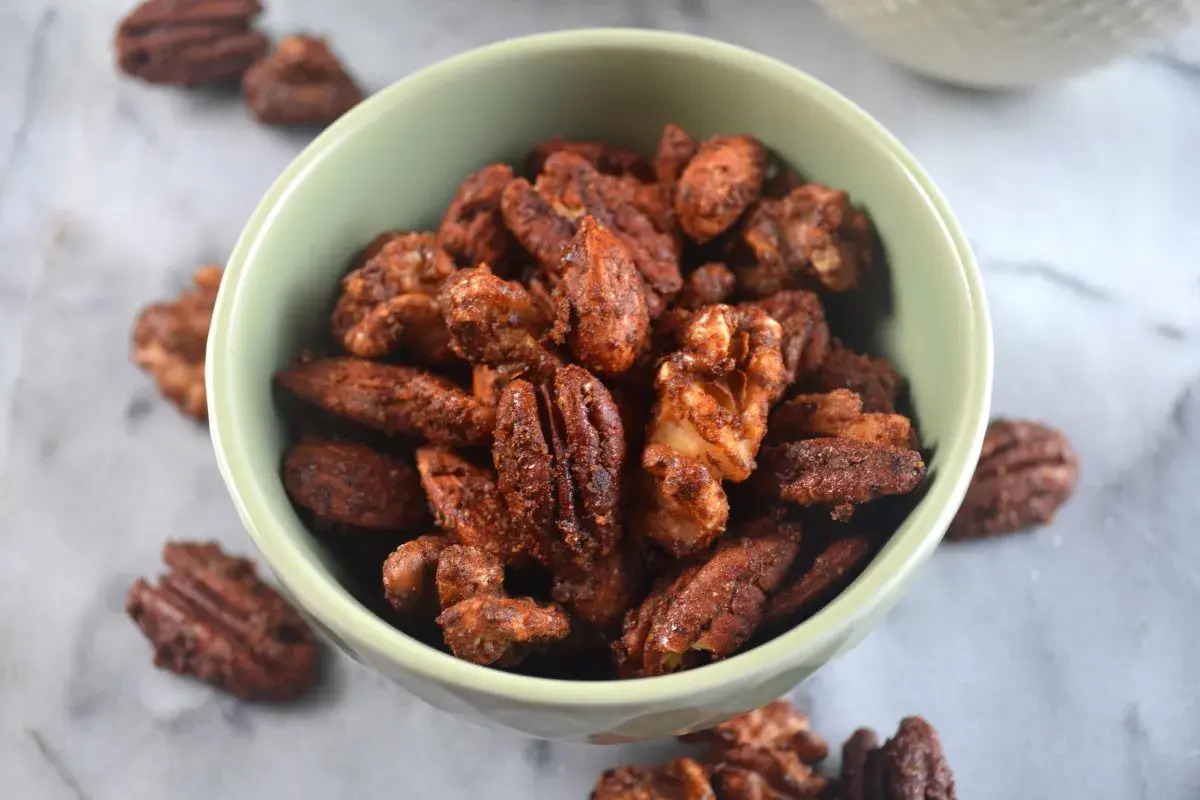
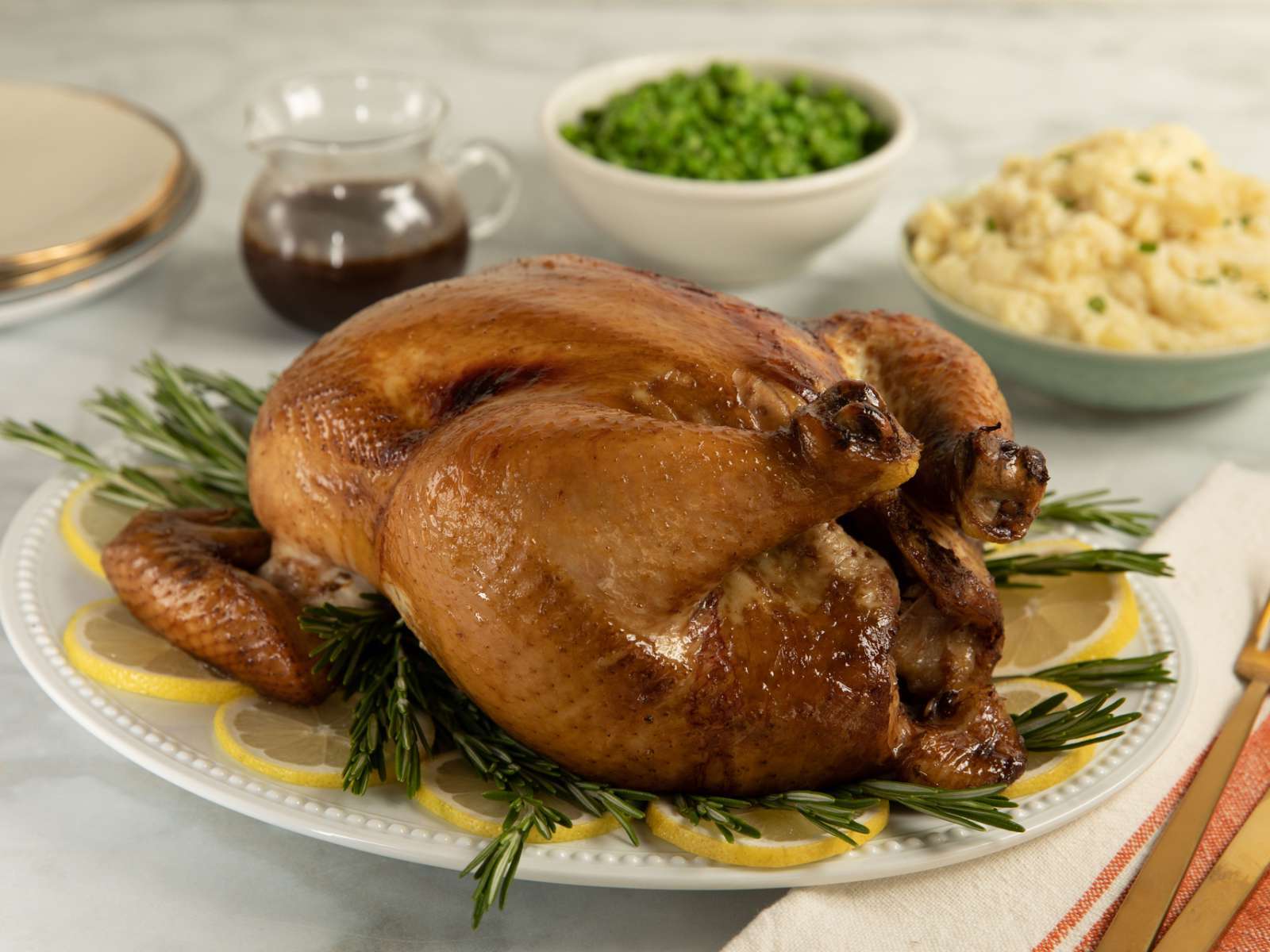
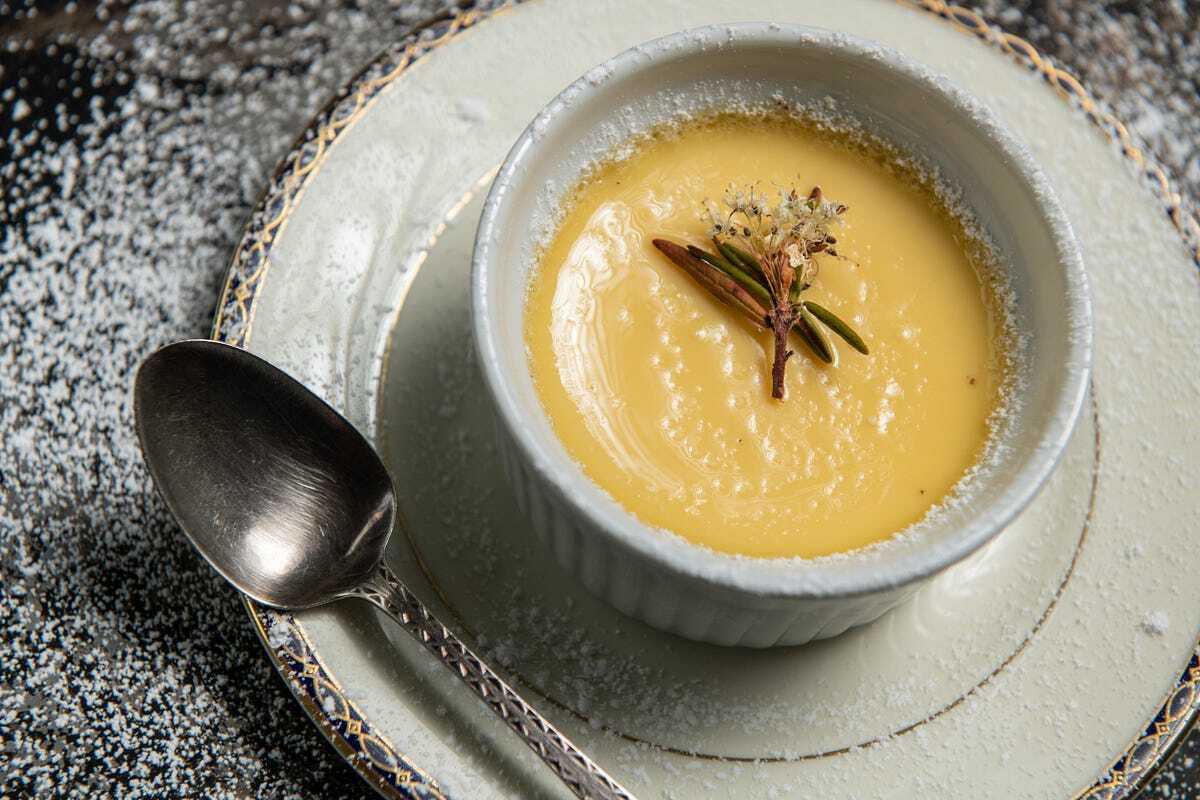
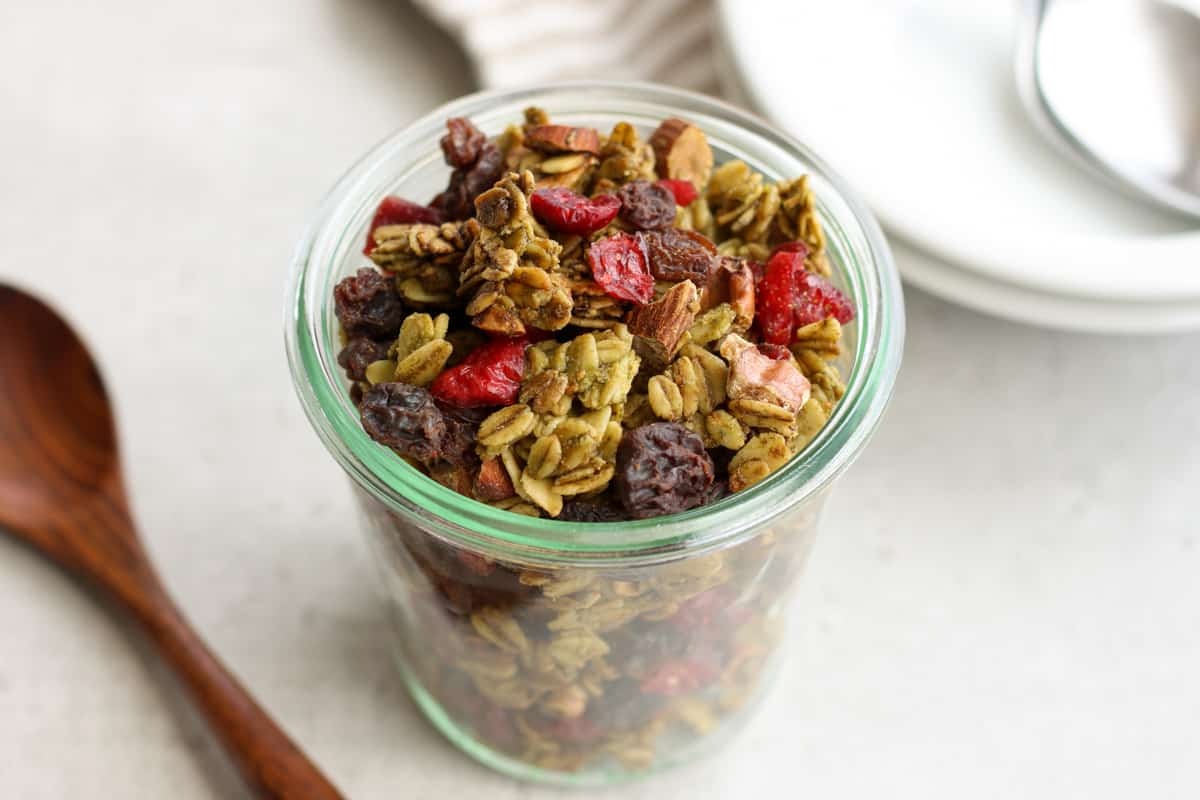
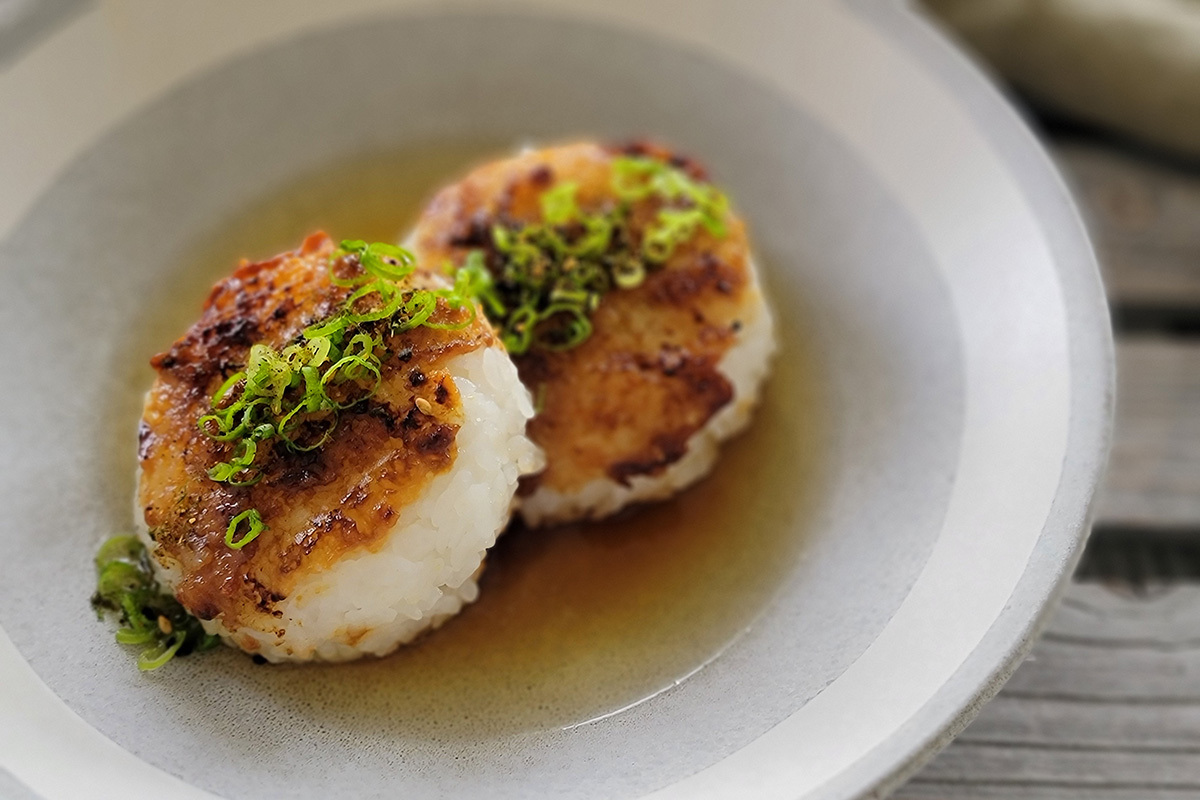
Home Your Cup of Tea – A Cozy Blend of the Best Tea Recipes Cozy, curious tea blends for every mood and moment Lemon Tea Cake Recipe Barley Tea Recipe (Mugicha - Hot or Iced) Ginger Honey Lemon Tea Recipe Easy Tea Cake Recipe Coquito Tea Recipe (Puerto Rican Holiday Drink) Icebox Long Island Iced Tea Recipe Cranberry Iced Tea Recipe Apple Tea Recipe (Hot or Iced) Matcha Traditional Whisked Recipe Earl Grey Panna Cotta Recipe Ginger Cardamom Tea Recipe Cheese Scones Recipe English Tea Scones Recipe (Classic) Apple Tea Cake Recipe Gulkand Chai Recipe (Rose Jam Milk Tea) Starbucks Iced Green Tea Recipe (Copycat) Lemon Tea Bread Recipe Orange Tea Cake Recipe Brandy Slush Recipe with Tea Cranberry Orange Tea Recipe (Hot Spiced) Latest Tea Recipes View More Recipes Lemon Tea Cake RecipeBarley Tea Recipe (Mugicha - Hot or Iced)Ginger Honey Lemon Tea RecipeEasy Tea Cake RecipeCoquito Tea Recipe (Puerto Rican Holiday Drink)Icebox Long Island Iced Tea Recipe Hot Teas View More Recipes Barley Tea Recipe (Mugicha - Hot or Iced)Ginger Honey Lemon Tea RecipeApple Tea Recipe (Hot or Iced)Matcha Traditional Whisked RecipeGinger Cardamom Tea RecipeCranberry Orange Tea Recipe (Hot Spiced)Blueberry Lavender Tea RecipeAveda Comforting Tea Recipe (Copycat) Baking with Tea View More Recipes Lemon Tea Cake RecipeEasy Tea Cake RecipeCheese Scones RecipeEnglish Tea Scones Recipe (Classic)Apple Tea Cake RecipeLemon Tea Bread Recipe Tea Bites & Sweets View More Recipes Earl Grey Panna Cotta RecipeChai Spiced Nuts RecipeSweet Tea Brine Recipe (for Poultry/Pork)Tea Infused Custard RecipeMatcha Granola RecipeGreen Tea Rice Recipe (Ochazuke Style) Milk Tea Recipes View More Recipes Gulkand Chai Recipe (Rose Jam Milk Tea)Milk Tea Recipe (Simple Hot or Iced)Tea with Creamer Recipe (Simple Hot Tea)Ginger Milk Tea RecipeStarbucks Boba Tea Recipe (Inspired)Cheesecake Milk Tea Recipe (Bubble Tea Style)